
Friday, 7 September 2012
Stick Insect or Moth ?
Last week saw The One Stop Nature Shop's blackboard, which normally gives details of local birds (thanks to rare Bird Alert Pagers) the temporary home to some Saltmarsh Plume Moths. These extraordinary little animals had been attracted by the outside lights and up to one hundred of them were resting all along the Deepdale Market shop walls.
 Here are a couple of Saltmarsh Plume Moths on the top of our blackboard.

Birdfair
It now seems a long time ago, but just three week's ago The One Stop Nature Shop were at The Birdfair. Our stall was very busy during the three day event and more than 15,000 visitors passed through the Fair and it felt like most visited our microscope demonstrations !
 The USB digital microscopes were the "new piece of kit" that many wished to see, and with up to 200x magnification, simple plug in to computer, they proved very popular.
Thanks to the many wildlife programmes we were also very successfuil with the Bushnell Trophy Cameras, used to record stills and video of animals in gardens at night.
If you missed The fair, pop in to see us at Burnham Deepdale on the Norfolk coast, and our thanks to everyone who came to see us at The Birdfair.

Thanks to the many wildlife programmes we were also very successfuil with the Bushnell Trophy Cameras, used to record stills and video of animals in gardens at night.
If you missed The fair, pop in to see us at Burnham Deepdale on the Norfolk coast, and our thanks to everyone who came to see us at The Birdfair.
Sunday, 15 July 2012
The weekend was a trap !
15 July 2012
The weather forecast was not good for the weekend, but it turned out to be somewhat pessimistic and while much of the rest of Britain suffered heaps of rain the North Norfolk Coast was spared. Given the rain free conditions The One Stop Nature Shop set up a Skinner Moth Trap in a small garden in Shouldham.
Here are a few of the moths that were caught, and released the following evening:
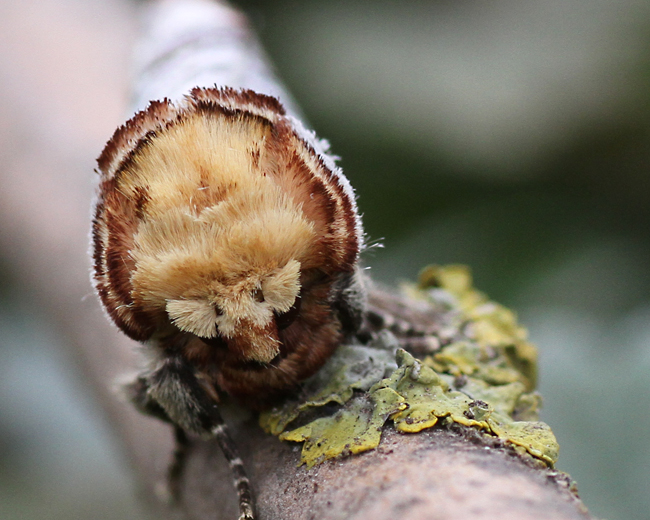
 This Buff Tip moth is camouflaged to look like a broken stick and it aligns itself along a branch to best effect. This is a common moth but an absolutely fantastic example of evolution and when you view the head front on, below, it looks amazing.
 The trap had lots of different species and identifying them was a challenge for a beginner, though some did live up to their name, below this is "The Spectacle" for obvious reasons. Quite a small moth and for a while I didn't see it head on, but with a magnifier the head pattern was revealed.


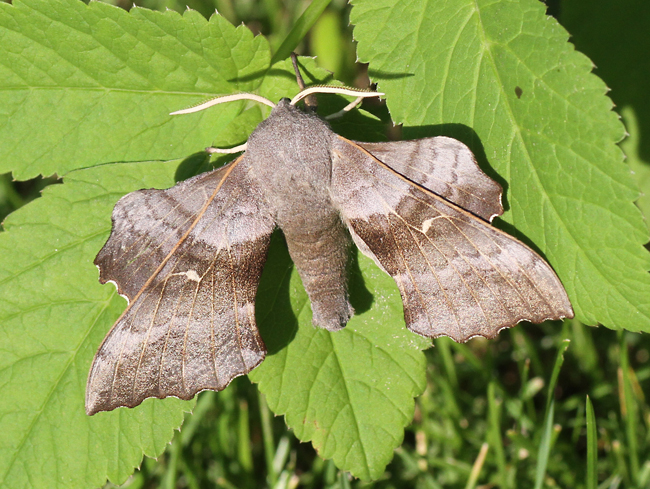
 But most cryptic of all was the Poplar Hawk Moth, a big moth which mimic dead Poplar leaves. It has a red spot on the hind wing and when disturbed flashes this to startle any attacker. Unfortunately I was unable to get a picture as it closed it's wing too quickly.
 It's quite incredible how many moths are around that we would never get to see unless using a trap like the Skinner Trap. Mains run and safe to the moths, which are released the following evening, just £149 can get you into this fascinating hobby. Available of course from The One Stop Nature Shop along with a wide range of moth books and charts.
The weather forecast was not good for the weekend, but it turned out to be somewhat pessimistic and while much of the rest of Britain suffered heaps of rain the North Norfolk Coast was spared. Given the rain free conditions The One Stop Nature Shop set up a Skinner Moth Trap in a small garden in Shouldham.
Here are a few of the moths that were caught, and released the following evening:



And then there were the Hawk Moths, three species, a beautiful Elephant Hawk Moth, above and a Lime Hawk Moth below.

Monday, 25 June 2012
In the dark


They are a significant improvement on previous models and come packed with the latest technologhy, including the ability to switch from traditional green viewing light to a white digital image during pitch balck conditions.
With ranges up to 300 meters you really can see in the dark.
We stock both models and full spec can be seen on the night vision section of the website.
Tuesday, 22 May 2012
Going shopping ?
22 May 2012
This Red-legged Partridge was behind the shop this morning - obviously didn't realise that we don't open till 10am ! and we have a pair of Swallows prospecting around the bus shelter and right under the covered area of the shop window. Other birds from the shop today include some very noisy Oystercatchers, a Sparrowhawk zipping through and a Chiffchaff in the trees opposite.

This Red-legged Partridge was behind the shop this morning - obviously didn't realise that we don't open till 10am ! and we have a pair of Swallows prospecting around the bus shelter and right under the covered area of the shop window. Other birds from the shop today include some very noisy Oystercatchers, a Sparrowhawk zipping through and a Chiffchaff in the trees opposite.

Thursday, 17 May 2012
One Stop Nature Shop Guided Bird Walk Report
7th May 2012
Summer-plumaged waders at high tide roost
Another unsettled day of wet weather
gave uncertainty to our walk this evening, fortunately it was a dry but cool
evening at the high tide roost. On arrival the high tide seemed some time away.
Had I got the tide tables wrong? It was a great relief to see the tide rapidly
coming in, with the distant oystercatchers (350) on the furthest spit soon
becoming unsettled, and moving closer to the second nearest shingle bar. Other
small flocks began to fly in from The Wash and other species began to move over
from the shingle ridges where they had been sheltering unseen from the cool
wind.
Unlike the earlier visit to the roost
most species we began to encounter were in partial or full summer plumage, most
notably at first were the stunning 300 grey plovers, then the 450 sanderling, quite different in their rusty brown,
black and grey plumage from the almost pale grey white birds we had seen on the
earlier visit. The few bar-tailed godwits present were mostly still in winter
plumage, but finally we did pick up the odd dark chesnut bird in summer
plumage, along with 25 knot and 2-3 dunlin. The “local” birds also showed with
ringed plovers and an oystercatcher located in the breeding cordons on their
nests. There were some moments of panic as the roost rose quickly to the air,
with the male sparrowhawk late on being the likely culprit.
Other signs of summer were really
difficult to detect due to the cold conditions other than a handful of swallows
migrating west. a brave distant cuckoo heard over the golf course, and late on
little, and Sandwich terns putting an appearance in, on what otherwise was a
poor evening for any bird song.
Out at sea we did mange to pick out a
grey seal, 6 eider, a great crested grebe and close too dusk, two little egrets
heading east. On our walk back the wind was unfortunately too strong to stand
any chance of seeing the local barn owls.
Thursday, 3 May 2012
and in a nearby garden.....
2 May 2012
Summer time, rain and wind, probably makes these Bramblings feel at home. A local customer very kindly allowed me into his garden to get a snap of the Bramblings that were around his feeding station. An unusual May sighting.


Summer time, rain and wind, probably makes these Bramblings feel at home. A local customer very kindly allowed me into his garden to get a snap of the Bramblings that were around his feeding station. An unusual May sighting.


Subscribe to:
Posts (Atom)